
Glutes and Hip Flexors: Strengthening for Balanced Movement
The Powerhouse Duo: Unlocking Mobility and Stability through Glute and Hip Flexor Strength
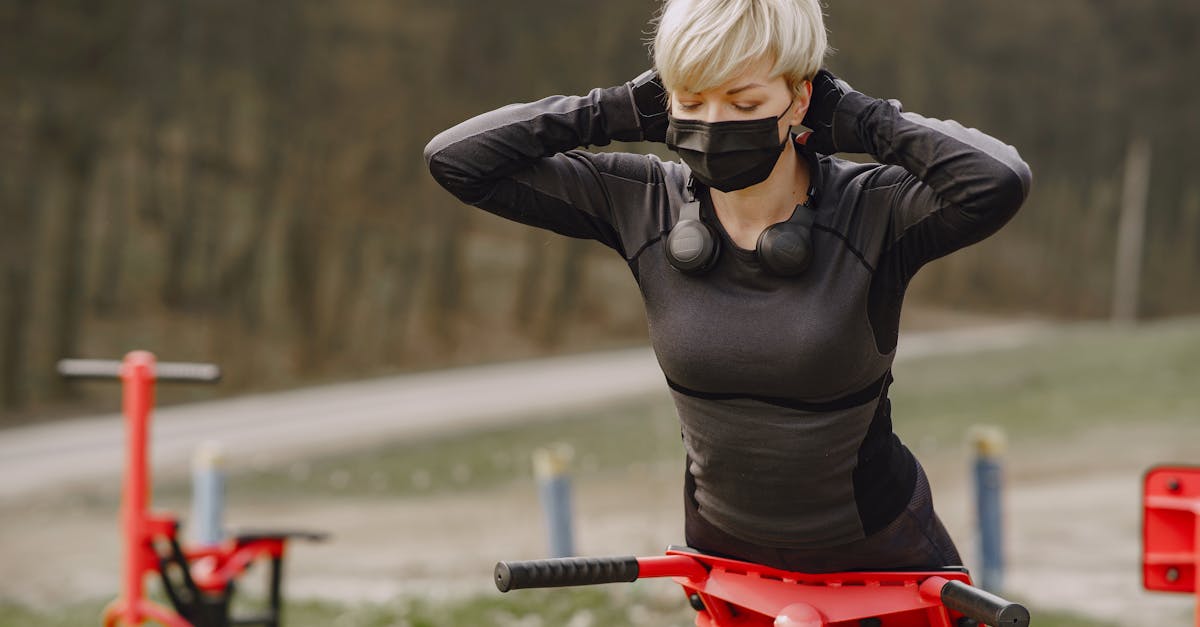
Strengthening your glutes and hip flexors is essential for maintaining optimal movement, stability, and overall athletic performance. These muscle groups play crucial roles in supporting daily activities, from walking and sitting to running and jumping. Understanding their importance and incorporating effective strengthening exercises and stretches into your routine can lead to improved posture, reduced risk of injury, and enhanced movement efficiency. This article will delve into the significance of glute and hip flexor strength, provide a comprehensive guide to targeted exercises and stretches, and highlight the benefits of maintaining balanced muscle development in these areas.
1. Understanding the Importance of Glute and Hip Flexor Strength
Understanding the Importance of Glute and Hip Flexor Strength
The gluteal muscles, commonly known as the glutes, and the hip flexors are two essential muscle groups that play pivotal roles in maintaining stability, mobility, and overall movement efficiency. The glutes, located in the buttocks, are responsible for hip extension, external rotation, and abduction, while the hip flexors, situated on the front of the thigh, facilitate hip flexion and knee flexion.
Strong glutes and hip flexors are crucial for everyday activities such as walking, running, and climbing stairs. They provide stability to the pelvis and lower back, reducing the risk of pain and injury. Moreover, well-developed glutes contribute to good posture by preventing excessive anterior pelvic tilt, which can lead to lower back pain.
In athletic endeavors, strong glutes and hip flexors are essential for power generation and efficient movement. They are heavily involved in activities like sprinting, jumping, and changing direction quickly. Strengthening these muscle groups can improve athletic performance and reduce the risk of injuries related to muscle imbalances or weakness.
2. Exercises for Strengthening the Glutes and Hip Flexors
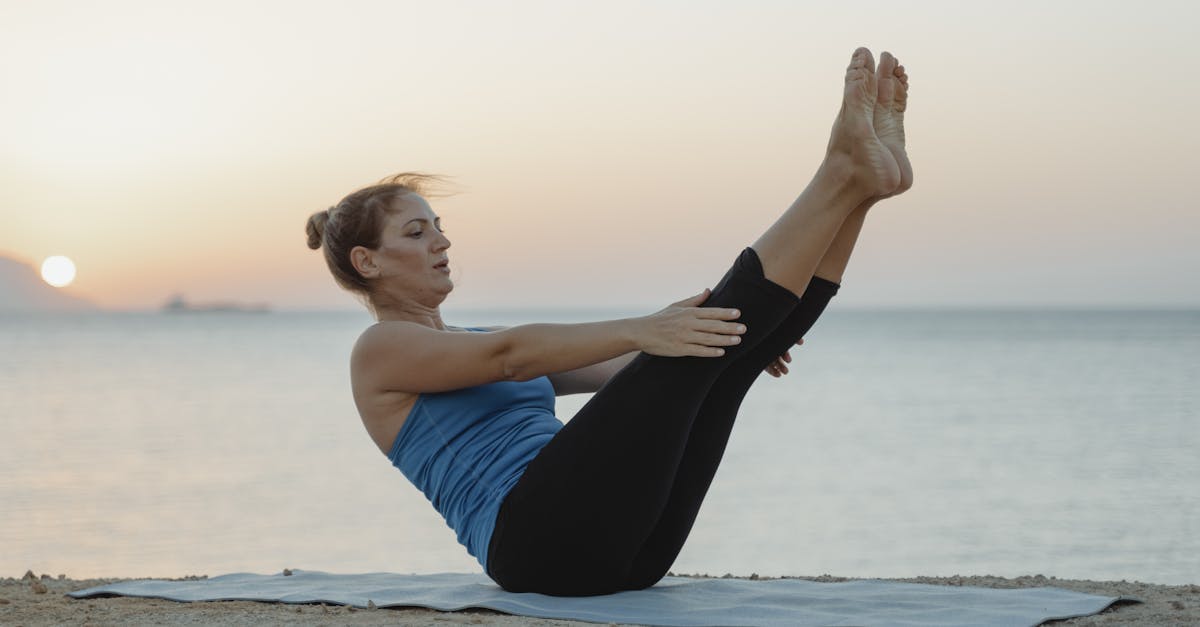
Exercises for Strengthening the Glutes and Hip Flexors
To effectively strengthen the glutes and hip flexors, incorporating a variety of exercises that target these muscle groups is essential. Some of the most effective exercises include:
-
Squats: Squats are a compound exercise that works multiple muscle groups, including the glutes, quadriceps, and hamstrings. They can be performed with or without weights, and variations such as sumo squats and goblet squats can emphasize different muscle groups.
-
Lunges: Lunges are another compound exercise that targets the glutes, quadriceps, and hamstrings. They can be performed forward, backward, or laterally to work different muscle fibers. Lunges with weights can increase the intensity and challenge.
-
Hip bridges: Hip bridges are an isolation exercise that primarily targets the glutes. They can be performed with or without weights, and variations such as single-leg hip bridges and banded hip bridges can increase the difficulty.
These exercises can be incorporated into a strength training routine 2-3 times per week. Starting with a weight or resistance level that is challenging but allows for proper form is important. Gradually increasing the weight or resistance as you progress will help build strength over time.
3. Stretches for Enhanced Flexibility and Range of Motion
Stretches for Enhanced Flexibility and Range of Motion
Improving flexibility in the glutes and hip flexors is crucial for maintaining optimal range of motion and reducing the risk of injury. Incorporating regular stretching into your routine can help improve flexibility and enhance overall movement efficiency. Some essential stretches for the glutes and hip flexors include:
-
Standing Quad Stretch: Stand with your feet hip-width apart and grab your right foot with your right hand. Pull your heel towards your glutes, keeping your knee pointed towards the ground. Hold the stretch for 20-30 seconds and repeat on the other side.
-
Kneeling Hip Flexor Stretch: Kneel on your right knee and place your left foot flat on the ground in front of you. Lean forward and push your hips towards the ground until you feel a stretch in your right hip flexor. Hold the stretch for 20-30 seconds and repeat on the other side.
-
Butterfly Stretch: Sit on the floor with the soles of your feet together and your knees bent out to the sides. Gently push your knees down towards the ground until you feel a stretch in your inner thighs and glutes. Hold the stretch for 20-30 seconds.
4. Benefits of Balanced Glute and Hip Flexor Strengthening
Benefits of Balanced Glute and Hip Flexor Strengthening
Maintaining balanced strength in the glutes and hip flexors offers numerous benefits for posture, injury prevention, and overall athletic performance. Here’s a closer look at these positive impacts:
-
Improved Posture: Strong glutes and hip flexors help stabilize the pelvis and lower back, preventing excessive anterior pelvic tilt and improving overall posture. This can reduce the risk of lower back pain and promote a more confident and balanced stance.
-
Reduced Risk of Injury: Balanced strength in these muscle groups helps protect the joints and connective tissues surrounding the hips and knees. Strong glutes and hip flexors can stabilize the joints, reducing the risk of sprains, strains, and other injuries during activities like running, jumping, and changing direction.
-
Enhanced Athletic Performance: Well-developed glutes and hip flexors are essential for power generation and efficient movement in various sports and athletic activities. Strong glutes provide the explosive power needed for sprinting, jumping, and kicking, while strong hip flexors facilitate powerful hip flexion movements crucial for running, cycling, and swimming.
5. Tips for Incorporating Strengthening into Your Routine
Tips for Incorporating Strengthening into Your Routine
To maximize the benefits of glute and hip flexor strengthening, it’s important to incorporate these exercises into your routine effectively. Here are some practical tips for frequency, intensity, and progression:
-
Frequency: Aim to perform glute and hip flexor strengthening exercises 2-3 times per week as part of a well-rounded strength training program. This frequency allows for adequate muscle recovery and growth.
-
Intensity: Choose a weight or resistance level that is challenging but allows you to maintain proper form throughout the exercises. If you’re new to strength training, start with a lighter weight and gradually increase it as you get stronger.
-
Progression: Gradually increase the weight or resistance as you progress to continue challenging your muscles and promoting strength gains. You can also incorporate variations of the exercises or add additional sets and repetitions to your routine.
Quiz
1. Which of the following is NOT a function of the glutes? (a) Hip extension (b) External hip rotation (c) Hip flexion (d) Abduction
2. True or False: Strong glutes and hip flexors are essential for maintaining good posture.
3. Which exercise is most effective for targeting the hip flexors? (a) Squats (b) Lunges (c) Hip bridges (d) Standing quad stretch
4. True or False: Stretching the glutes and hip flexors can help improve range of motion.
5. How often should you perform glute and hip flexor strengthening exercises per week? (a) 1-2 times (b) 2-3 times (c) 3-4 times (d) 4-5 times
Answer Key
- (c)
- True
- (d)
- True
- (b)
